
Some spaces impress us immediately. Others reveal themselves slowly.
Often, the difference is not found in a dramatic façade, an expensive material or an elaborate detail. It is found in something quieter: proportion.
Architecture is experienced through relationships. The height of a ceiling against the width of a room. The size of an opening against the wall around it. The distance between buildings. The relationship between a structure and the landscape surrounding it.
When these relationships feel right, a space can feel effortless.
More Than Measurements
Proportion is not simply about dimensions.
A room can be large and still feel uncomfortable. A smaller space can feel remarkably generous when its height, light, openings and circulation are carefully considered.
Good proportion creates a sense of balance. It allows different elements to belong together without competing for attention.
This is why some buildings feel calm even before we understand why.
The Human Scale
Architecture ultimately exists to be experienced by people.
The scale of a space influences how we feel within it. A very low ceiling can create intimacy. Greater height can create openness. A carefully sized doorway can create a sense of arrival. A window positioned at the right height can frame a landscape almost like a piece of art.
These decisions may appear subtle, but they shape the everyday experience of a building.
The Relationship Between Inside and Out
Proportion also extends beyond individual rooms.
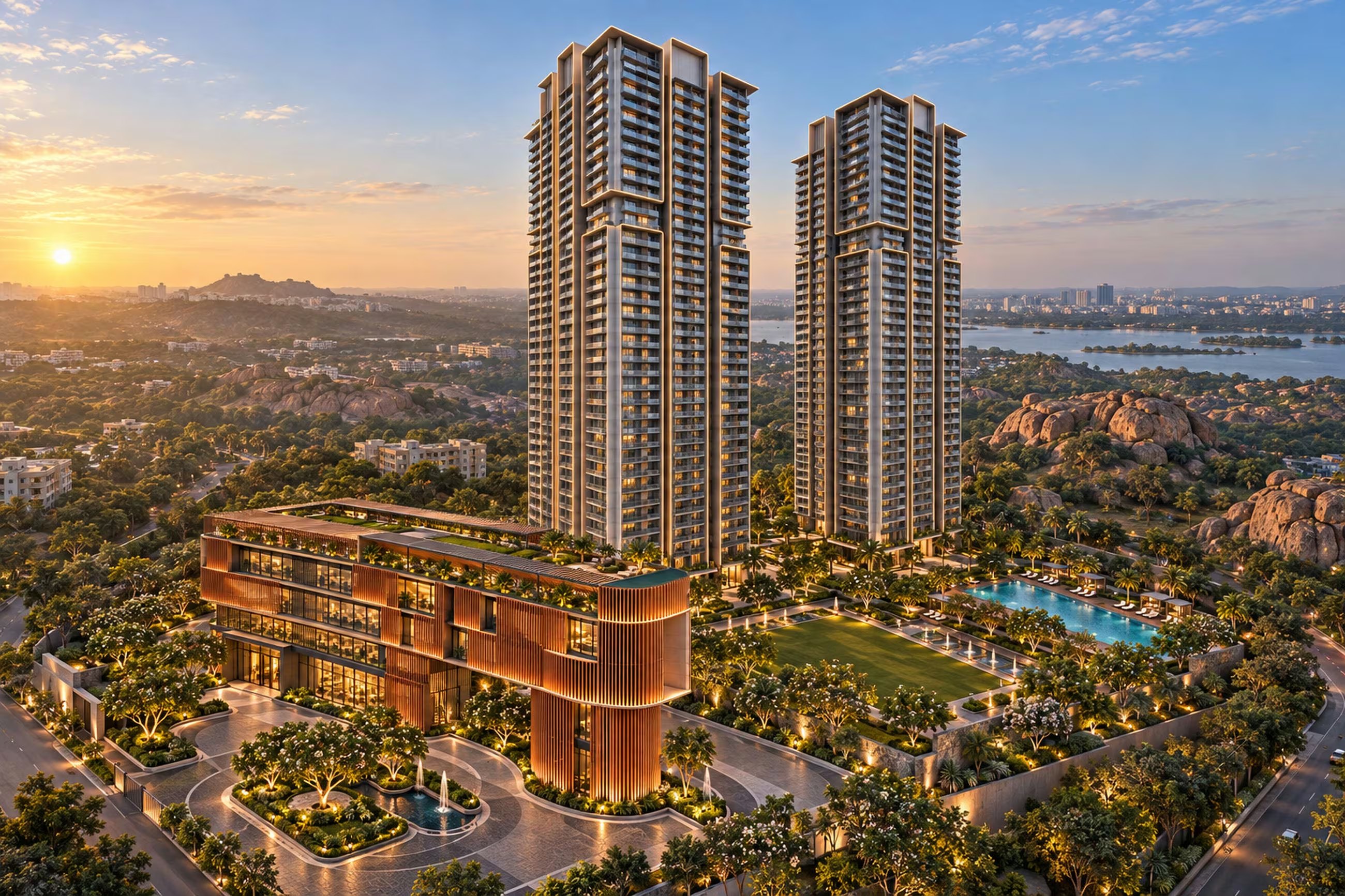
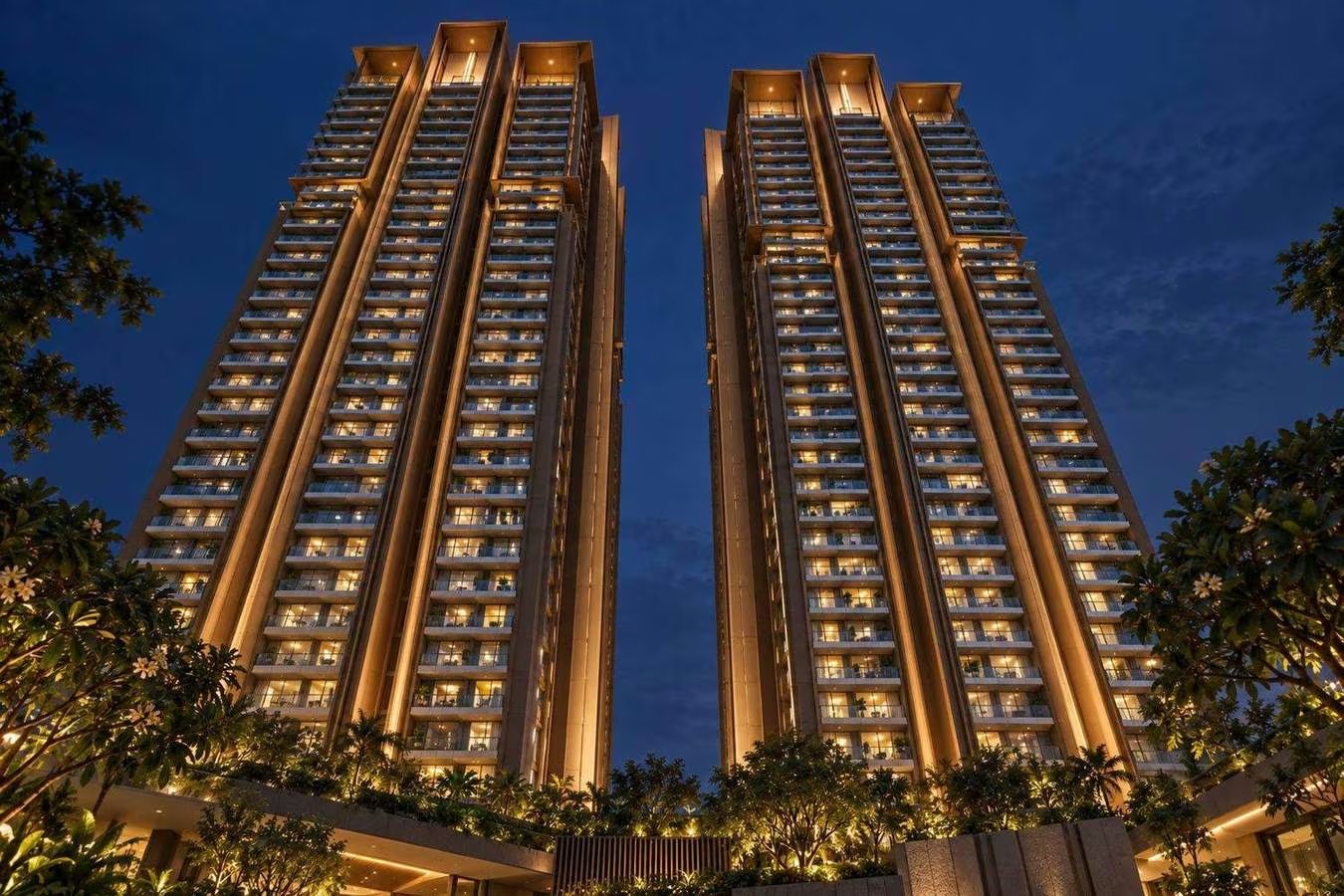
Consider the relationship between a building and the landscape around it. The distance between towers, the width of a pathway, the scale of a courtyard or the proportion of open space can influence how dense or spacious a development feels.
In this sense, architecture is not only about designing the building. It is about designing the relationships between buildings, people and their surroundings.
When Nothing Feels Excessive
There is a certain restraint in well-proportioned architecture.
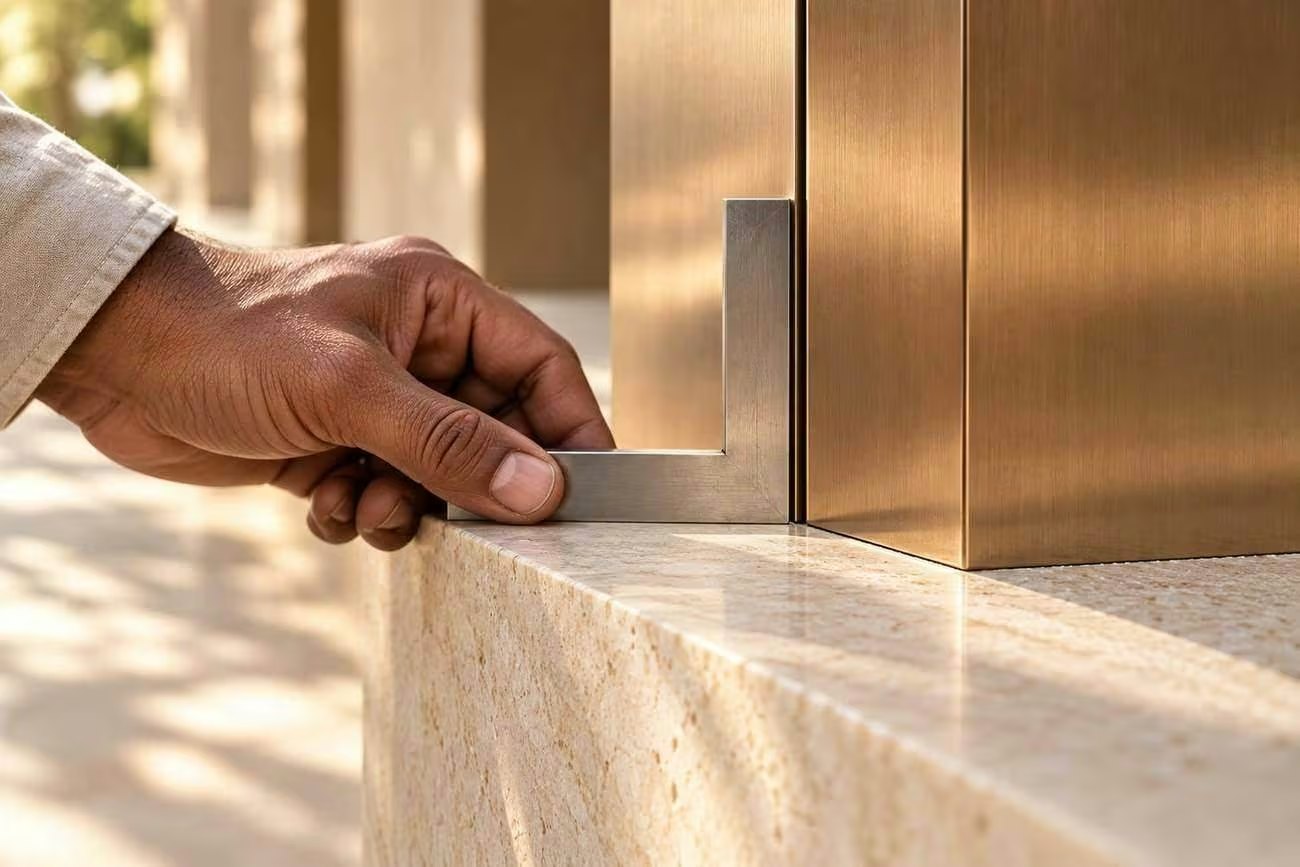
Nothing feels unnecessarily large. Nothing feels cramped. Materials have room to breathe. Openings feel intentional. Furniture sits naturally within the space. Light moves through the interiors without being overwhelmed by visual clutter.
This is where proportion becomes almost invisible.
And that invisibility is part of its strength.
When proportion is handled well, we rarely notice the calculation behind it. We simply experience the result as comfort, balance and ease.
The Quiet Language of Good Design
Architecture has many languages: material, texture, colour, form and structure.
Proportion is one of its quieter languages.
It does not demand attention, yet it influences almost everything we experience. It determines how a façade reads from a distance, how a room feels when we enter it and how comfortably a building sits within its surroundings.
The best architecture often leaves us with the feeling that everything is exactly where it should be.
That feeling is rarely accidental.
It is the result of hundreds of considered relationships coming together to create something that feels natural.