
Modern living was once defined by what a home contained. More rooms, larger kitchens, bigger living areas, more amenities. Today, the conversation is becoming less about how much a home can hold and more about how well it can support the way we actually live.
Our routines have changed. Work can happen from the dining table, a quiet corner can become a reading space, and the living room can shift effortlessly from an afternoon of solitude to an evening spent with friends. The boundaries between work, leisure and personal time have become fluid, and homes are beginning to respond to that fluidity.
From More Space to Better Space
The idea of spaciousness is evolving.
A large floor plate does not necessarily create a sense of openness. What matters is how space is planned, connected and experienced. Natural light, ventilation, views, circulation and proportions can make a home feel generous without relying solely on its size.
This has placed greater emphasis on thoughtful planning. Spaces are expected to have a certain flexibility, allowing them to adapt as the lives within them change.
Privacy Has Become a Luxury
As life becomes increasingly connected, moments of disconnection have become more valuable.
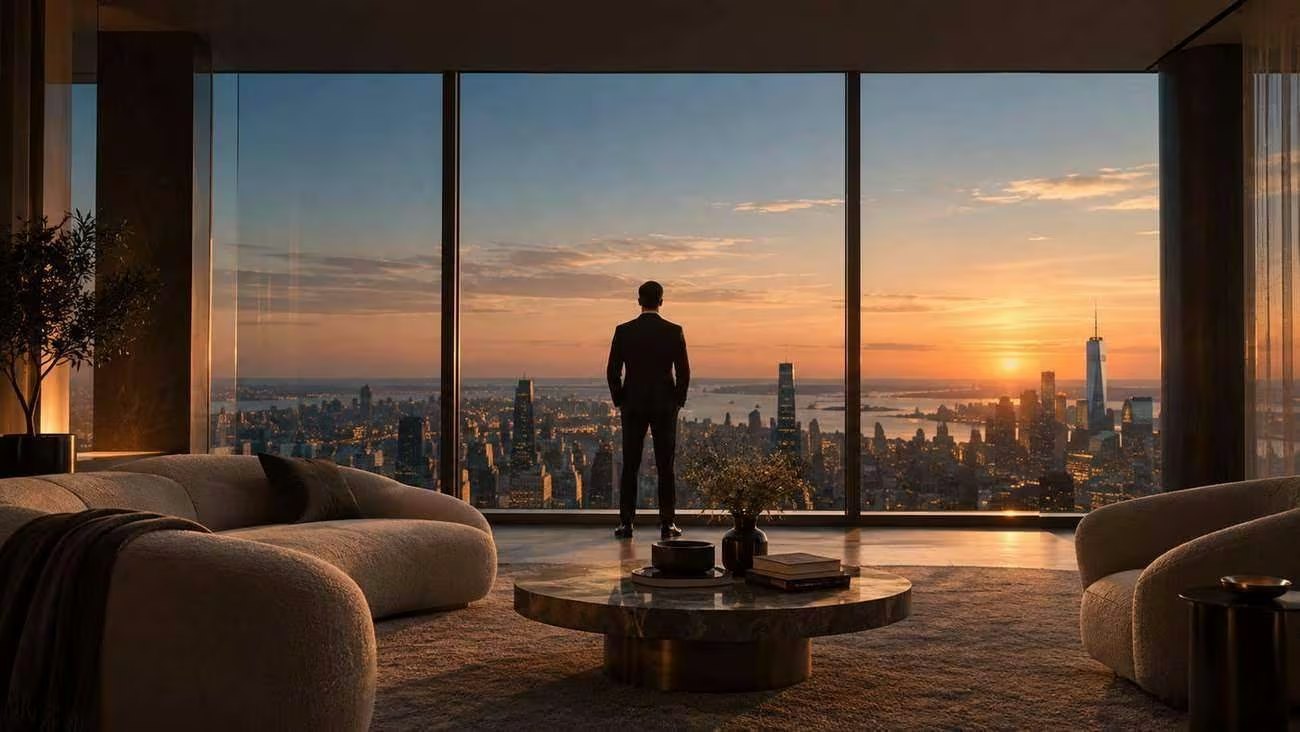
Modern homes are therefore placing greater importance on privacy. Bedrooms are becoming more secluded. Outdoor spaces are being designed as personal retreats. Even within shared family spaces, there is a growing desire for smaller corners where one can read, work, think or simply be alone.
The luxury is no longer only in having more. It is in having the freedom to choose when to engage and when to retreat.
Bringing the Outside In
The relationship between architecture and nature is also becoming more important.
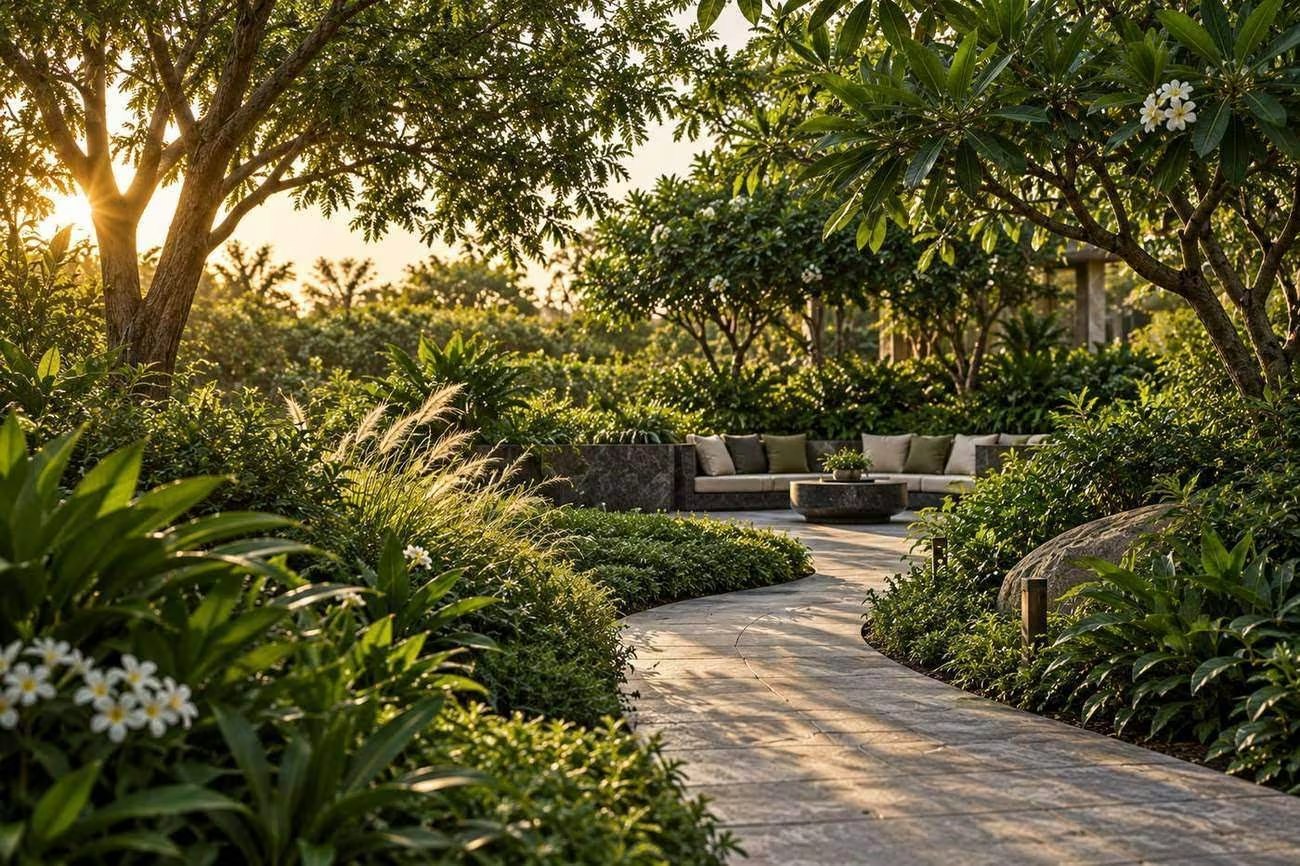
Large openings, landscaped courtyards, balconies, terraces and carefully framed views allow natural elements to become part of everyday life. Greenery is no longer treated simply as decoration around a building. It increasingly becomes part of the experience of living within it.
Light, breeze, trees and changing views give a home something that finishes alone cannot provide: a sense of life.
Amenities With a Purpose
The evolution of amenities reflects this shift too.
Residents are looking beyond impressive lists of facilities. They are increasingly interested in spaces that genuinely enrich everyday life: places to exercise, meet, work, unwind, spend time with family or pursue personal interests.
The question is moving from “What does the development have?” to “What does it allow me to experience?”
A More Personal Definition of Luxury
Perhaps the biggest change is that modern living is becoming more personal.
For one person, luxury may mean a quiet morning overlooking greenery. For another, it may be a dedicated workspace, a generous kitchen or a place where children can play freely. Increasingly, homes are expected to accommodate these individual rhythms rather than prescribe a single way of living.
The home of the future may therefore not be defined by a particular style or a checklist of features.
It may simply be a space that understands its inhabitants better.
As lifestyles continue to evolve, architecture will have to evolve with them. The most relevant homes will not necessarily be the ones that offer the most. They will be the ones that make everyday life feel more considered, more comfortable and more distinctly our own.